Writer: Melaine Cabrera
The new age is digital. That’s a common phrase tossed around, and in today’s digital world, social media has become one of the most defining influences on how people view themselves. Take notice of the word “people” in the previous sentence, because social media affects everyone from adolescents to the elderly; platforms like TikTok, Instagram, Snapchat, and even Facebook shape trends and define expectations of how life should be. Social media creates a virtual space to outlet creativity and promote connection, but it can also harbor unrealistic standards that play a significant role in shaping standards, specifically beauty standards, especially amongst teenagers.
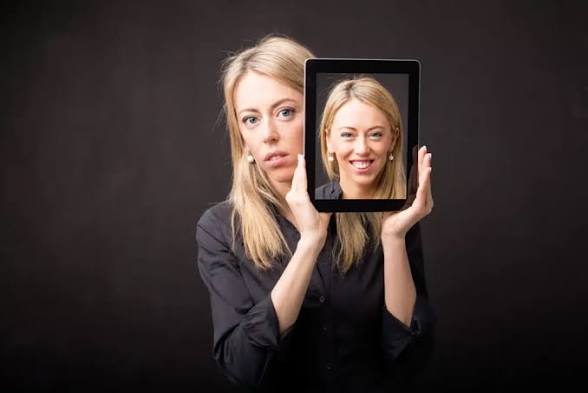
The presentation of heavily edited, filtered, and deceptive images has become much more prevalent recently. A study conducted by the British Psychological Society revealed that over 90% of young women use some form of filtering on their photos. These filters can often prove deceitful, with images being altered to hide imperfections, flatten the stomach, smooth the skin, and even alter proportions. Teens consistently compare themselves to these unrealistic images often posted by celebrities or influencers and feel flawed and inadequate. The pressure to look a certain way (perfect) can lead many to feel dissatisfied with their own skin. This lowers self-esteem and can even lead to more serious cases, such as disordered eating behaviors.
This pressure is only amplified by the encouragement of validation through likes, comments, and followers. The public perception of you has become very crucial. Posting a picture isn’t just about sharing a fun moment anymore; it’s about proving yourself and analyzing how others perceive you. Not all posts receive positive feedback; this can create a sense of uncertainty, anxiety, self-doubt, and even a strong feeling of embarrassment. When one post doesn’t do well, I mean, why not just post another? Then the cycle continues, the distortion of your own values for online approval. Many trapped in this cycle depend on external opinions to fuel their confidence rather than valuing their own self-acceptance.
Contributing to the negative view on one’s appearance, algorithms/on your pages provide access to potentially harmful messages on body image. You click the ‘like’ button once, and now your whole page is fitness influencers. “What I Eat In a Day” videos, quick, easier workouts that help you lose ten pounds in one day, it’s impossible to keep up if you’re stuck in a loop of content focused on every flaw about your body. Normalizing the obsession over appearances and the harsh critique placed on them. This is not normal.
The adolescents on the platform who are still growing and haven’t even had a chance to grow into their skin yet are exposed to damaging content. Good news! There have been changes made over the years, and body positivity has become more prevalent, and the promotion of self-acceptance has risen. No longer do young people have to feel alone and insecure.
These changes are amazing, and digital media has come a long way. And in the end, social media’s influence on body image will always be powerful, but it is not obsolete. By teaching teens to become more mindful of the content they consume and acknowledging that nobody’s perfect, teens and adults can create a healthier relationship with not only their bodies but themselves.



Leave a Reply