
Writer: Esther Lee
How many of us find ourselves constantly checking our phones – refreshing Instagram, replying to a Snap, or glancing at notifications even when nothing is new? When we see a message pop up, we feel a spark of excitement, whizzing back into the digital world.
In recent years, a new term has emerged to describe this behavior: “Smombie,” a blend of smartphone and zombie. The word captures the modern world where individuals are so absorbed in their screens that they move through life distracted, disconnected from their surroundings, yet deeply tied to their digital identities.
Today, there are 4.9 billion social media users worldwide. According to Magnetaba.com, adults such as millennials and Gen X spend an average of 7 hours a day on screens, while Gen Z typically spends around 9 hours daily. Much of this time is driven by entertainment, communication, and education, but it also reflects how deeply social media has become woven into daily life.
A brief history of how we got here: long before Instagram filters or Tiktok reels, the internet had a very different purpose. Its origins date back to the Cold War, when researchers developed a communication network designed to survive potential attacks—not to connect people socially. Over time, however, the rise of the World Wide Web and early browsers transformed this specialized tool into a global public space.
By the 1990s, the dot-com boom commercialized the digital world, creating the cultural and technological foundation that would later support social media platforms. Early 2000s sites like MySpace and Facebook marked the beginning of online self-presentation, allowing users to create profiles and connect with friends. After the introduction of the first iPhone in 2007, constant connectivity became the norm. From 2004 to 2012, platforms such as Twitter, Instagram, and YouTube rapidly expanded, shifting online interactions from community-building to more curated, aesthetic forms of self-expression. This change sparked a cultural shift: our digital identities became extensions of our real selves. Features like “likes,” algorithmic feeds, and follower counts built emotional feedback loops into platforms, intertwining technology with personal validation.
Yet, evolution has not been without consequences; they are deeply tied together with mental health trends. The American Psychological Association (APA) reports that between 2005 and 2017, the number of adolescents reporting symptoms of major depression increased by 52%. Body image concerns have also significantly risen: 46% of teens aged 13–17 say social media makes them feel worse about their appearance. Part of this comes from the way social platforms engage our brains, triggering small dopamine releases every time someone likes, views, or comments on our posts. Over time, these reward loops encourage compulsive checking and subtly tie our self-worth to digital approval.
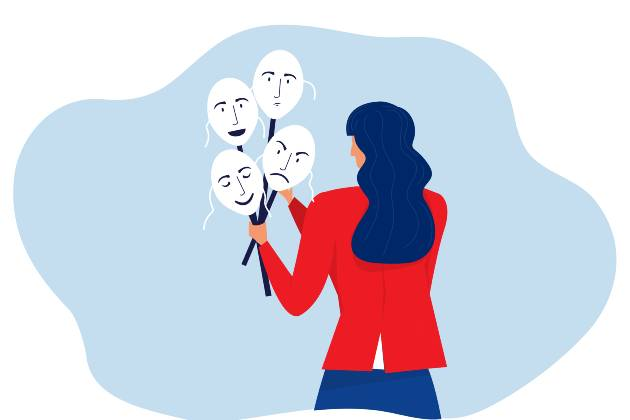
Body image distortions have become increasingly common as well. Filters on Instagram, Snapchat, and TikTok can smooth skin, alter facial proportions, or change body shape entirely. While fun to use, constantly comparing filtered versions of ourselves to real life can heighten self-consciousness and dissatisfaction. At the same time, social media acts as a highlight reel, showing only the best, most exciting parts of other people’s lives. Seeing vacation photos, achievements, perfect selfies, or big friend groups can fuel FOMO– fear of missing out– and make ordinary moments feel inadequate. This cycle often lowers self-esteem, increases anxiety, and encourages even more screen time in an attempt to stay “caught up.”
Despite all of this, there are some steps we can take to use social media more intentionally. We can set limits on when and how often we check our phones, curate our feeds to include content that genuinely makes us feel good, unfollow accounts that trigger comparison, or dedicate small periods of the week to being completely offline. Even switching our screens to grayscale can reduce compulsive scrolling. Most importantly, talking openly about the pressures of social media helps us realize we’re not alone– many people feel the same, even if their feeds look perfect.



Leave a Reply